


🩺 Introduction
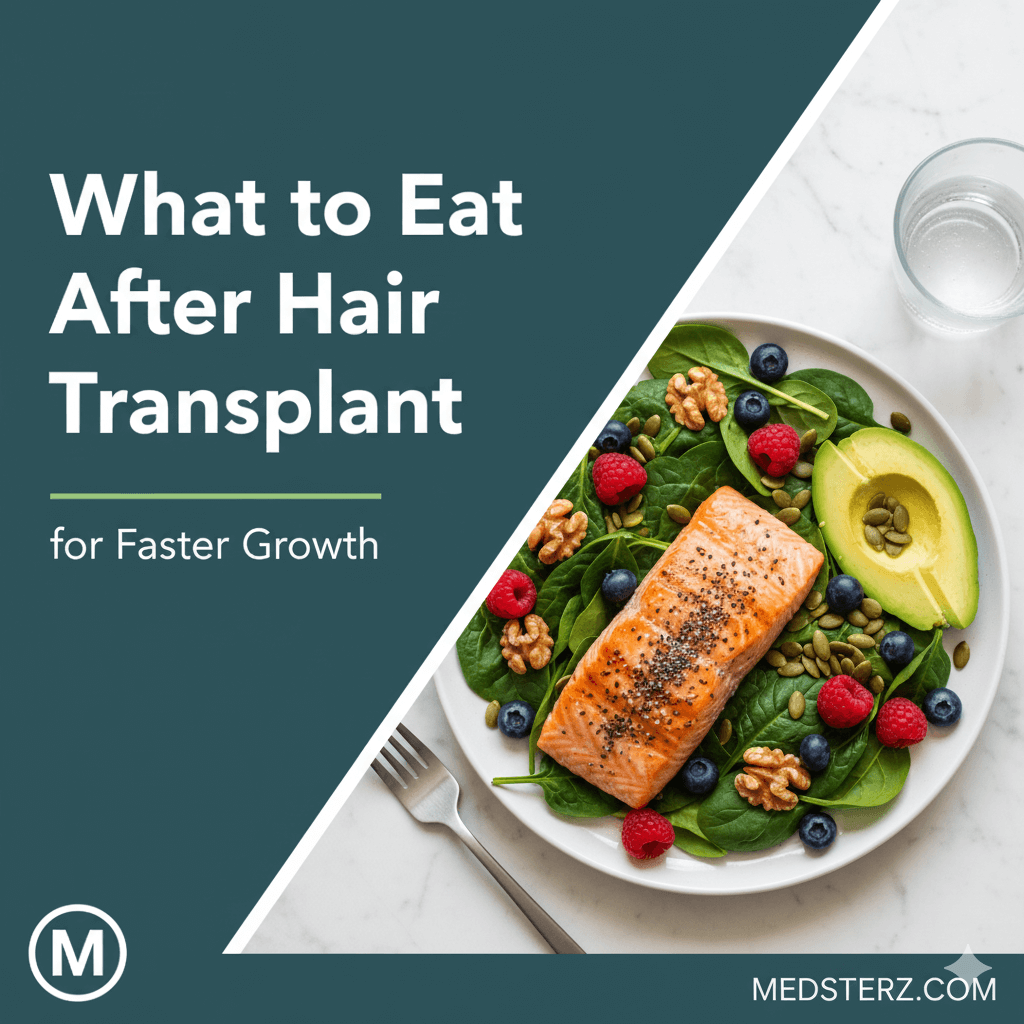
A successful hair transplant doesn’t end in the operating room — your diet plays a major role in how quickly your grafts heal and how strong your new hair grows.
After surgery, your scalp is in a healing phase that requires essential vitamins, minerals, and proteins to stimulate follicles and improve blood circulation. The right nutrition helps minimize inflammation, prevent shedding, and optimize final results.
Here’s a complete science-backed guide to what you should eat (and avoid) after your hair transplant.
🍳 1. Protein-Rich Foods – The Building Blocks of Hair
Hair is made primarily of keratin, a protein that depends on adequate dietary amino acids. Eating enough protein after a hair transplant helps new follicles grow stronger and healthier.
Best Sources:
-
Eggs
-
Chicken and turkey
-
Fish (especially salmon and tuna)
-
Lentils and beans
-
Greek yogurt, milk, and cottage cheese
📌 Tip: Aim for at least 1.0–1.2 g of protein per kg of body weight daily for optimal recovery.
🥦 2. Iron and Zinc – Essential for Hair Follicle Regeneration
Low iron or zinc levels can weaken newly transplanted follicles and delay healing. These minerals support oxygen transport and tissue repair around grafts.
Rich Sources:
-
Spinach and kale
-
Red meat (lean beef)
-
Pumpkin seeds and nuts
-
Oysters and shellfish
-
Whole grains
💡 Did You Know?
Zinc deficiency is linked to telogen effluvium — one of the main causes of post-transplant hair shedding.
🍋 3. Vitamin C – Boosts Collagen and Graft Healing
Vitamin C helps in collagen formation, strengthens capillaries, and aids in faster wound recovery.
Foods to Include:
-
Oranges, strawberries, kiwis
-
Bell peppers
-
Tomatoes and broccoli
🥤 Pro Tip: Pair iron-rich foods with vitamin C sources to enhance nutrient absorption.
🥑 4. Omega-3 Fatty Acids – Reduces Inflammation and Strengthens Roots
Healthy fats improve scalp circulation and reduce post-operative inflammation.
Sources:
-
Salmon, sardines, and mackerel
-
Chia and flaxseeds
-
Walnuts and avocado
These help in maintaining a healthy scalp barrier and supporting the natural hair growth cycle.
🥕 5. Vitamin A and E – For Stronger Follicles
Vitamin A supports sebum production to keep the scalp hydrated, while Vitamin E improves blood flow and repairs damaged tissues.
Add These to Your Diet:
-
Carrots and sweet potatoes
-
Almonds and sunflower seeds
-
Olive oil and green leafy vegetables
⚠️ Caution: Avoid excessive Vitamin A — too much can trigger hair shedding.
💧 6. Hydration – The Forgotten Hair Booster
After a transplant, dehydration can slow tissue recovery and cause tightness in the scalp.
Drink 8–10 glasses of water daily to maintain healthy blood flow and nutrient delivery to grafts.
🚫 7. Foods to Avoid After Hair Transplant
Certain foods can slow down healing or increase inflammation — avoid these for at least 2–3 weeks post-surgery:
-
Fried or processed foods
-
Excessive caffeine and sugary drinks
-
Alcohol (slows healing and dehydrates tissue)
-
Red chili or spicy foods (can irritate scalp and increase redness)
🕒 8. Sample Post-Transplant Meal Plan
| Meal | Recommended Foods |
|---|---|
| Breakfast | Boiled eggs, whole-grain toast, orange juice |
| Lunch | Grilled chicken, spinach salad with olive oil |
| Snack | Greek yogurt with walnuts |
| Dinner | Salmon with steamed broccoli and brown rice |
| Hydration | 2–3 liters of water daily |
📊 Scientific Data
-
A 2020 study in the Journal of Clinical and Aesthetic Dermatology found that patients consuming a protein-rich diet post-hair transplant experienced 20–25% faster graft survival.
-
Another 2022 review in Dermatologic Therapy highlighted that omega-3 and zinc supplementation improved post-transplant recovery and minimized shedding.
💡 Conclusion
The right nutrition can dramatically enhance your hair transplant results. Prioritize protein, vitamins, minerals, and hydration while avoiding inflammatory foods.
Remember — your hair grows from the inside out, and eating well is one of the best long-term investments for strong, thick, and lasting regrowth.